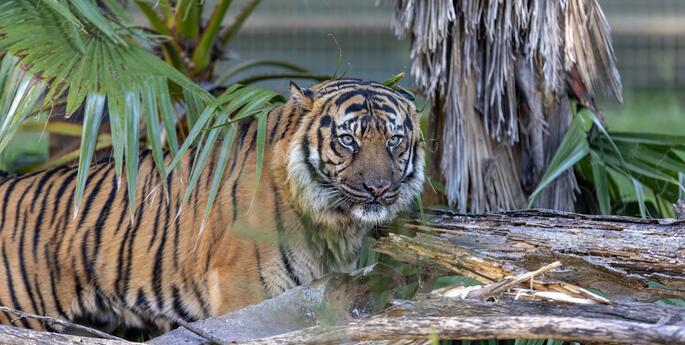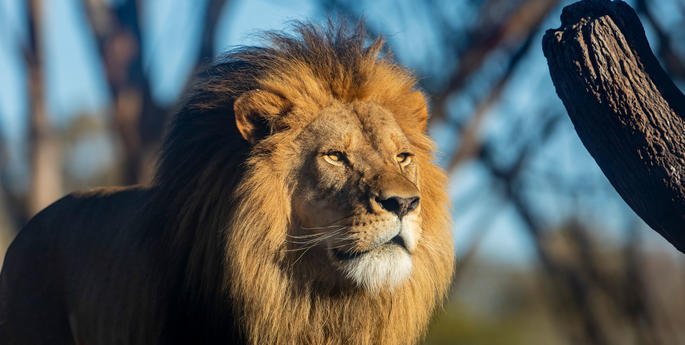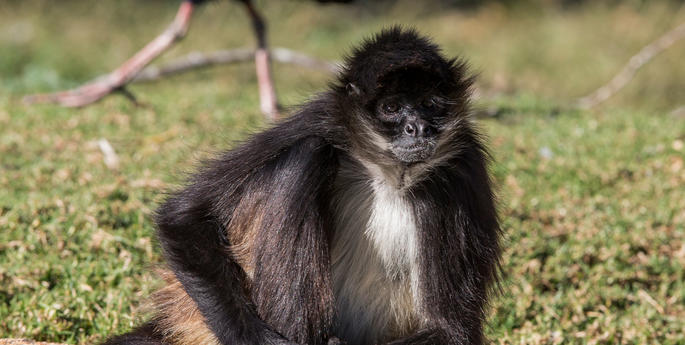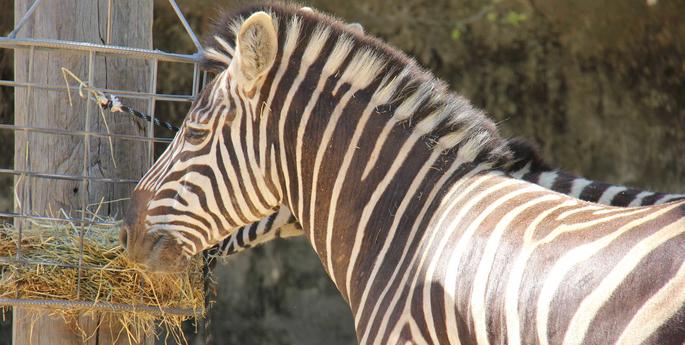
When designing zoo exhibits, Taronga aims to reproduce each animals natural environment. In this workshop students will learn about how the behavioural and physiological needs of an animal are the primary consideration in designing their exhibit. They will examine how animal welfare, enrichment, keeper safety, budget, visitor engagement and sustainability also significantly inform the design process and discover the range of styles that characterise modern exhibit design.
Browse all available workshops at Taronga Western Plains Zoo Dubbo below.
Looking for workshops at Taronga Zoo Sydney instead? View all Sydney workshops.
Workshops at Taronga Western Plains Zoo Dubbo
Stage 3, 4 & 5: Zoo Nature JournalIn this workshop, students slow down and take the time to observe, draw and write about the animals and plants, both captive and wild. Find the wild birds, recognise some common native trees, learn about animal form and function, and get insights into animal behaviour.
Stage 3: Habitat Heroes: Sustaining Global EnvironmentsExplore how humans and animals share our planet, from Eastern Australia to Sumatra and the Congo Basin. Students investigate local habitat loss for species and discover how Aboriginal Knowlege, cultural burning and seasonal calendars guide sustainable land management. They will compare global threats to exotic animals and apply Indigenous and sustainable practices to design their own “Hero Plan.”
Stage 3: Predator and PreyPopulations of organisms do not remain constant; the number of individuals can increase and decrease over time. Predator and prey relationships contribute to these changes.
Stage 4 - Year 7: Classification of Living ThingsThe living world is all around us, and what better way to explore it than at Taronga Western Plains Zoo! Your students will be able to get up close and learn from one of Taronga’s Education Officers about the similarities and differences of the structural features or animals and how these adaptations help them survive in their localised environments.
Stage 4 - Year 8: Living SystemsIn this interactive lesson, students investigate the key components of an ecosystem, from the non-living factors that shape habitats to the plants, animals, and decomposers that interact within them. Students will have the opportunity to observe and interact with a range of species, learning how a successfully functioning ecosystem requires all components to be balanced.
Stage 5: Environmental Change and ManagementIn this workshop students will develop an appreciation of the causes, consequences and management of deforestation taking place in Australia and Sumatra. They will examine how differing worldviews influence the importance people place on natural habitats and the environmental management strategies used in each country. They will feel empowered as they discover ways individuals can contribute to sustainability.
Stage 6: Biological DiversityIn this workshop students will engage with live animals to understand biological diversity and how it is achieved through Natural Selection. They will discuss examples of evidence that support evolution. Students will discover how adaptations increase an organism’s chance of survival and will explore the impacts that selection pressures have on population dynamics.
Stage 6: Heredity and Genetic ChangeIn this workshop students will explore how biodiversity is achieved through reproduction and heredity. Students will investigate a variety of reproductive methods and the influence of environmental factors on reproductive success and inheritance patterns. Students will learn how Taronga’s use of contemporary genetic research and reproductive technologies are helping ensure the conservation of many iconic species.
Stage 6: It's Zoo BusinessTaronga Western Plains Zoo is a well-established brand within conservation, tourism and communities. In this workshop students will discover how the success of Taronga’s brand and ability to achieve set objectives for wildlife comes from implementation of a strong business model that balances a dynamic strategic direction with the needs of diverse stakeholders.
Stage 6: Tourism - People & Economic ActivityIn this workshop students will learn about TWPZ as an economic enterprise operation at a local scale. Taronga educators will provide information on the nature of the Zoo as an economic enterprise, focusing on the linkages and flows of people, goods, services and ideas, and the effects of global changes on the Zoo’s operations.